

ما بعد اليونيفيل: من يضمن سيادة لبنان وأمنه؟ إن انسحاب قوات حفظ السلام الدولية يجب ألّا يتحوّل إلى انسحاب المجتمع الدولي من مسؤولياته
الشمال نيوز – عامر الشعار
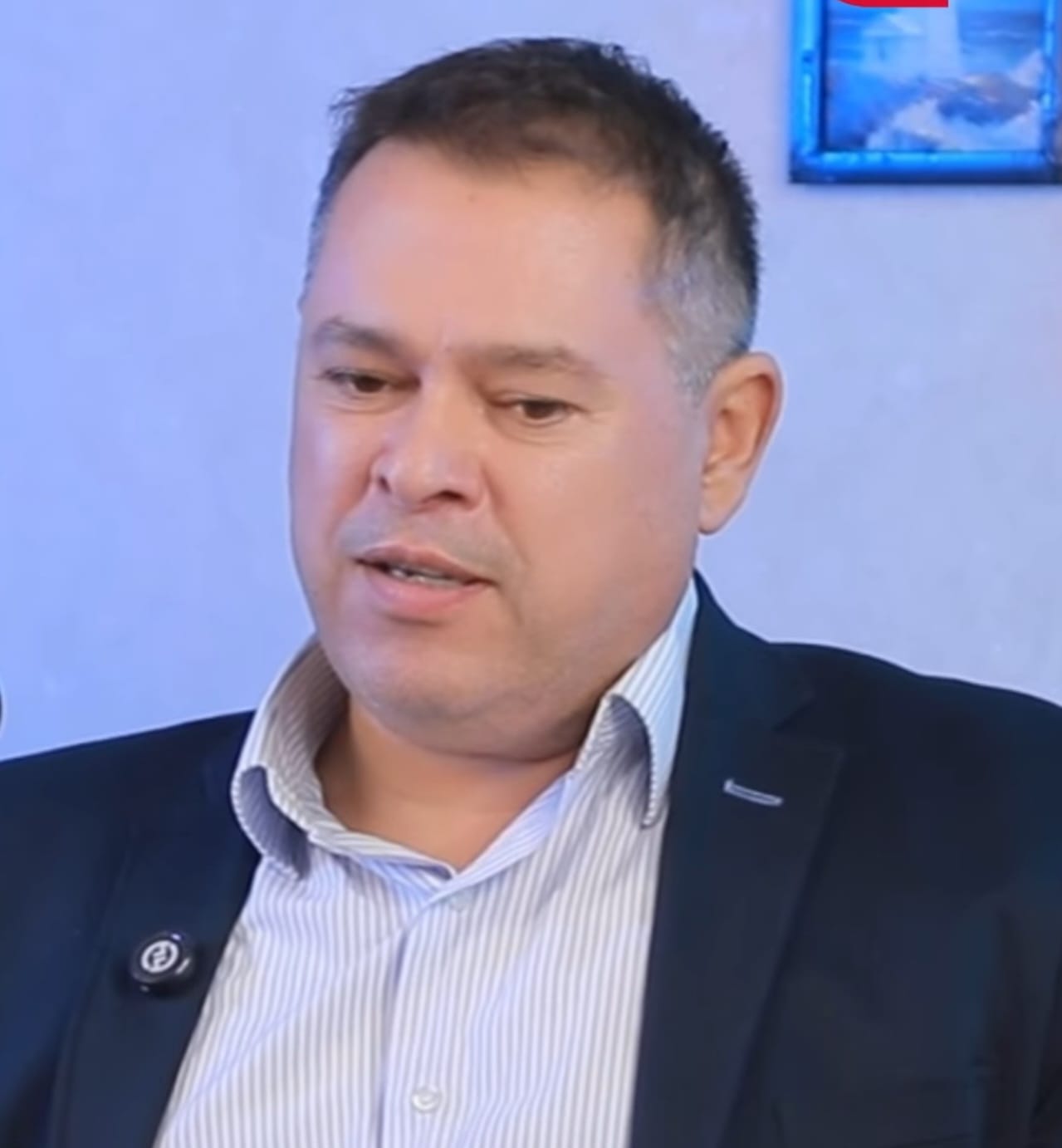
ما بعد اليونيفيل: من يضمن سيادة لبنان وأمنه؟
إن انسحاب قوات حفظ السلام الدولية يجب ألّا يتحوّل إلى انسحاب المجتمع الدولي من مسؤولياته
بقلم طوني نيسي
رئيس لجنة متابعة تنفيذ قرارات مجلس الأمن الخاصة بلبنان
25 تشرين الأول 2026
انسحاب اليونيفيل: نهاية مهمة أم بداية أزمة جديدة؟
مع اقتراب الحادي والثلاثين من كانون الأول ٢٠٢٦، الموعد المحدّد لإنهاء عمليات قوات الأمم المتحدة المؤقتة في لبنان (اليونيفيل)، بموجب قرار مجلس الأمن الدولي رقم ٢٧٩٠ الصادر عام ٢٠٢٥، تجد الجمهورية اللبنانية والمجتمع الدولي نفسيهما أمام سؤال مصيري يتجاوز مجرّد مغادرة القوات الدولية: من سيضمن سيادة لبنان ووحدة أراضيه وأمنه بعد انتهاء مهمة دولية بدأت منذ ما يقارب خمسة عقود، في وقت لا تزال فيه العديد من الأسباب والظروف التي استدعت انتشار هذه القوات قائمة من دون معالجة جذرية؟
وينصّ القرار على بدء انسحاب منظّم للقوات اعتباراً من ٣١ كانون الأول ٢٠٢٦، على أن يُستكمل خلال مهلة لا تتجاوز السنة، مع استمرار بعض المهام المحدودة المرتبطة بالحماية والدعم خلال المرحلة الانتقالية، تليها مرحلة إدارية لتصفية أعمال البعثة. وبالتالي، لا يجوز الخلط بين انتهاء العمليات العسكرية لليونيفيل والمغادرة الفورية لجميع أفراد الأمم المتحدة من الأراضي اللبنانية.
القرارات الدولية لا تسقط بانسحاب اليونيفيل
لا يمكن اعتبار انسحاب اليونيفيل دليلاً على تحقيق أهداف مهمتها، في ظل استمرار الانتهاكات العسكرية الإسرائيلية، ووجود تنظيمات مسلّحة خارج سلطة الدولة، وعدم استكمال تنفيذ قرارات مجلس الأمن الدولي ١٥٥٩ و١٦٨٠ و١٧٠١.
فهذه القرارات تتناول سيادة لبنان، ونزع سلاح الميليشيات، وأمن الحدود، وبسط سلطة الدولة اللبنانية على كامل أراضيها.
كما يؤكّد القرار ٢٧٩٠ صراحةً أن الوضع في لبنان لا يزال يشكّل تهديداً للسلم والأمن الدوليين، ويدعو إلى البحث في ترتيبات تضمن استمرار تنفيذ القرار ١٧٠١ بعد انسحاب اليونيفيل.
وعليه، فإن انتهاء مهمة دولية لا يعني انتهاء مفاعيل القرارات المرتبطة بها، ولا يعفي الأطراف المعنية من مسؤولياتها والتزاماتها.
حصرية السلاح والخوف من الحرب الأهلية
تكمن المعضلة الأخطر داخل الدولة اللبنانية نفسها، حيث تؤكّد السلطات الدستورية التزامها بحصرية السلاح بيد الدولة، في حين حذّر رئيس الجمهورية العماد جوزاف عون من أن المواجهة العسكرية المباشرة لنزع سلاح حزب الله قد تؤدّي إلى حرب أهلية، وسط مخاوف أوسع من احتمال تعرّض وحدة الجيش اللبناني للاهتزاز أو الانقسام.
ولا يمكن الاستخفاف بهذه المخاوف، خصوصاً في ضوء التجارب اللبنانية الأليمة، إلا أنها تطرح سؤالاً جوهرياً لا يجوز تجاهله: كيف يمكن لدولة ذات سيادة أن تنفّذ مسؤولياتها الدستورية إذا كان فرض سلطتها الشرعية قد يهدّد مؤسساتها نفسها؟
إن خطر الحرب الأهلية يجب أن يؤخذ على محمل الجدّ، لكنه لا يمكن أن يتحوّل إلى مبرّر دائم لاستمرار وجود تنظيمات مسلّحة خارج سلطة الدولة.
وفي المقابل، فإن المطالب الدولية بنزع السلاح يجب أن تترافق مع ترتيبات سياسية ومؤسساتية وأمنية جدّية، تتيح الانتقال السلمي نحو استعادة الدولة سلطتها الكاملة.
الفصل السابع ومسؤوليات مجلس الأمن الدولي
يمنح الفصل السابع من ميثاق الأمم المتحدة، ولا سيّما المواد ٣٩ و٤١ و٤٢، مجلس الأمن صلاحيات لمعالجة التهديدات التي تطال السلم والأمن الدوليين، بدءاً من التدابير غير العسكرية وصولاً إلى إجراءات إنفاذ تتطلّب تفويضاً صريحاً من المجلس.
غير أن القرارات الدولية القائمة لا تشكّل بحدّ ذاتها تفويضاً تلقائياً لتدخّل عسكري دولي جديد في لبنان.
ومن هنا، يبرز السؤال حول ضرورة أن يبحث مجلس الأمن في اتخاذ تدابير إضافية، تشمل المراقبة الدولية والتحقّق وتقديم المساعدة، بما يدعم تنفيذ قراراته، ويحترم السيادة اللبنانية، ويحمي حياة المدنيين.
خطة عملية لما بعد اليونيفيل: من القرارات إلى التنفيذ
إن المرحلة المقبلة تتطلّب خارطة طريق مشتركة بين الدولة اللبنانية والمجتمع الدولي، تقوم على خمس أولويات أساسية:
أولاً: مبادرة لبنانية رسمية أمام مجلس الأمن الدولي. تتقدّم الحكومة اللبنانية بطلب لوضع إطار شامل لمتابعة تنفيذ القرارات ١٥٥٩ و١٦٨٠ و١٧٠١ بعد انسحاب اليونيفيل، يتضمّن آليات تقييم دورية وتحديداً واضحاً للمسؤوليات والالتزامات.
ثانياً: إنشاء آلية دولية للمراقبة والتحقّق. بموافقة الدولة اللبنانية وضمن تفويض قانوني مناسب، تتولّى هذه الآلية توثيق الانتهاكات، ودعم قنوات التواصل بين الأطراف المعنية، وتقديم تقارير منتظمة إلى مجلس الأمن، بما يساهم في منع نشوء فراغ أمني خلال المرحلة الانتقالية.
ثالثاً: اعتماد خطة وطنية تدريجية لحصرية السلاح بيد الدولة. تضع المؤسسات الدستورية اللبنانية جدولاً زمنياً واقعياً لإخضاع السلاح غير الشرعي وجميع القدرات العسكرية لسلطة الدولة، بالتوازي مع حوار سياسي وضمانات أمنية مناسبة وإجراءات تحافظ على وحدة الجيش اللبناني وتمنع الانزلاق إلى مواجهة داخلية.
رابعاً: تعزيز قدرات الجيش اللبناني وضبط جميع الحدود. يساهم المجتمع الدولي في دعم الجيش بالتدريب والتجهيز والتقنيات الحديثة للمراقبة، بما يشمل الحدود الجنوبية والحدود مع سوريا، إضافة إلى المعابر البرية والبحرية، لضمان انتقال المسؤوليات الأمنية بصورة منظّمة إلى السلطات اللبنانية.
خامساً: إنشاء آلية متابعة لبنانية دولية مشتركة. تتولّى وضع مؤشرات واضحة وقابلة للقياس، ومراقبة التقدّم في التنفيذ، وتحديد العقبات، وإصدار تقارير دورية وعلنية، بما يضمن ترجمة الالتزامات الدولية والمسؤوليات اللبنانية إلى نتائج عملية ملموسة.
السيادة لا تتجزّأ
إن أي ترتيب أمني مستقبلي يجب أن يعالج الانسحاب الإسرائيلي من الأراضي اللبنانية، والانتهاكات التي تطال السيادة اللبنانية، والسلاح غير الشرعي، والتدخّلات الخارجية، وحصرية قرارَي الحرب والسلم بيد المؤسسات الشرعية للدولة.
فلا يمكن استعادة السيادة اللبنانية بصورة انتقائية، كما لا يمكن للبنان أن يبقى معتمداً إلى ما لا نهاية على قوات حفظ السلام الدولية للقيام بمسؤوليات تقع أساساً على عاتق مؤسساته الدستورية.
ما بعد اليونيفيل: استعادة السيادة لا إدارة الفراغ
قد تنسحب اليونيفيل من لبنان، لكن الأمم المتحدة لا تستطيع أن تسحب قراراتها، والمجتمع الدولي لا يستطيع أن يتخلّى عن مسؤولياته، والدولة اللبنانية لا تستطيع أن تستمر في تأجيل استعادة سيادتها.
إن التحدّي الحقيقي لا يكمن في إيجاد بديل عن اليونيفيل فحسب، بل في الانتقال من إدارة الأزمات المتكرّرة إلى معالجة أسبابها الجذرية، ومن الاكتفاء بإصدار القرارات الدولية إلى وضع آليات جدّية وفاعلة لتنفيذها.
فمستقبل لبنان يجب أن يقوم على جمهورية كاملة السيادة، تحكمها مؤسساتها الشرعية، ويحميها جيشها الوطني، ويساندها مجتمع دولي ملتزم بتحويل قراراته إلى نتائج فعلية ومستدامة.
After UNIFIL: Who Will Guarantee Lebanon’s Sovereignty and Security?
The withdrawal of international peacekeepers must not become the withdrawal of international responsibility.
By Toni Nissi
President of the committee for the United Nations security council resolutions on Lebanon
October 25, 2026
UNIFIL’s Withdrawal: The End of a Mission or the Beginning of a New Crisis?
As Lebanon approaches December 31, 2026, the date on which the United Nations Interim Force in Lebanon (UNIFIL) is scheduled to cease its peacekeeping operations under Security Council Resolution 2790 (2025), the Lebanese Republic and the international community face a fundamental question extending far beyond the departure of international troops: who will guarantee Lebanon’s sovereignty, territorial integrity and security when a mission established nearly five decades ago comes to an end, while many of the circumstances that originally justified its deployment remain unresolved?
The resolution provides for an orderly withdrawal beginning on December 31, 2026, and extending for up to one year, with limited protection and support functions continuing during the transition, followed by an administrative liquidation phase. The termination of operations must therefore not be confused with the immediate departure of all UN personnel.
International Resolutions Do Not Expire with UNIFIL
UNIFIL’s withdrawal cannot be considered evidence that its objectives have been achieved, particularly while Israeli military violations persist, armed organizations remain outside state authority, and Security Council Resolutions 1559, 1680 and 1701 have yet to be fully implemented.
These resolutions address Lebanon’s sovereignty, the disarmament of militias, border security and the extension of state authority throughout Lebanese territory.
Resolution 2790 explicitly determines that Lebanon’s situation continues to constitute a threat to international peace and security, while requesting consideration of arrangements for implementing Resolution 1701 after UNIFIL’s departure.
The end of an international mission does not terminate the underlying resolutions or the responsibilities of the parties concerned.
The Monopoly over Arms and the Fear of Civil War
The most serious dilemma lies within Lebanon itself, where constitutional authorities reaffirm their commitment to the state’s exclusive control over weapons, while President Joseph Aoun has warned that a direct military confrontation over Hezbollah’s disarmament could provoke civil war, amid broader concerns about the potential fragmentation of the Lebanese Armed Forces.
These concerns deserve serious consideration, given Lebanon’s history, but they raise an unavoidable question: how can a sovereign state fulfil its constitutional responsibilities when enforcing its legitimate authority might threaten its own institutions?
The risk of civil war cannot be dismissed, but neither should it become a permanent justification for maintaining armed organizations outside state authority.
Equally, international demands for disarmament must be accompanied by credible political, institutional and security arrangements capable of supporting a peaceful transition.
Chapter VII and the Security Council’s Responsibilities
Chapter VII of the United Nations Charter, particularly Articles 39, 41 and 42, provides mechanisms for addressing threats to international peace and security, ranging from non-military measures to enforcement actions specifically authorised by the Security Council.
However, existing resolutions do not automatically authorise a new military intervention in Lebanon.
The relevant question is whether the Security Council should consider additional measures, including international monitoring, verification and assistance, to support the implementation of its resolutions while respecting Lebanese sovereignty and protecting civilian lives.
A Practical Post-UNIFIL Plan: From Resolutions to Implementation
Lebanon and the international community should examine a coordinated roadmap built around five priorities:
First: A Lebanese initiative before the Security Council. The Lebanese government should request a comprehensive framework for monitoring implementation of Resolutions 1559, 1680 and 1701 after UNIFIL’s withdrawal, with periodic assessments and clearly defined responsibilities.
Second: An international monitoring and verification mechanism. Subject to Lebanese consent and an appropriate legal mandate, a successor arrangement could document violations, support communication between the parties and report regularly to the Security Council, helping prevent a security vacuum.
Third: A gradual national disarmament plan. Lebanon’s constitutional institutions should establish a realistic timetable for bringing unauthorized weapons and military capabilities under state authority, supported by political dialogue, appropriate security guarantees and measures to preserve the unity of the Lebanese Armed Forces.
Fourth: Strengthening the Army and securing all borders. International assistance should reinforce the Lebanese Armed Forces through training, equipment and surveillance capabilities, addressing both the southern border and Lebanon’s borders with Syria, as well as land and maritime crossings.
Fifth: A joint Lebanese-international follow-up mechanism. A structured process should establish measurable benchmarks, monitor progress, identify obstacles and provide regular public reporting, ensuring that international commitments and Lebanese responsibilities are translated into practical results.
Sovereignty Is Indivisible
Any future security arrangement must address Israeli withdrawal from Lebanese territory, violations of Lebanese sovereignty, unauthorized weapons, foreign interference and the exclusive authority of Lebanon’s legitimate institutions over decisions of war and peace.
Lebanese sovereignty cannot be restored selectively, nor can the country indefinitely depend on international peacekeepers to exercise responsibilities that ultimately belong to its own constitutional institutions.
After UNIFIL: Restoring Sovereignty Rather Than Managing a Vacuum
UNIFIL may leave Lebanon, but the United Nations cannot withdraw its resolutions, the international community cannot withdraw its responsibilities, and the Lebanese state cannot continue postponing the restoration of its sovereignty.
The real challenge is not simply to replace UNIFIL, but to move from managing recurring crises to addressing their underlying causes, and from adopting international resolutions to establishing credible mechanisms for their implementation.
Lebanon’s future must rest upon a fully sovereign republic, governed by its legitimate institutions, protected by its national army and supported by an international community committed to translating its decisions into meaningful and lasting results.

